


 Singapore

.png)
.png)
.png)
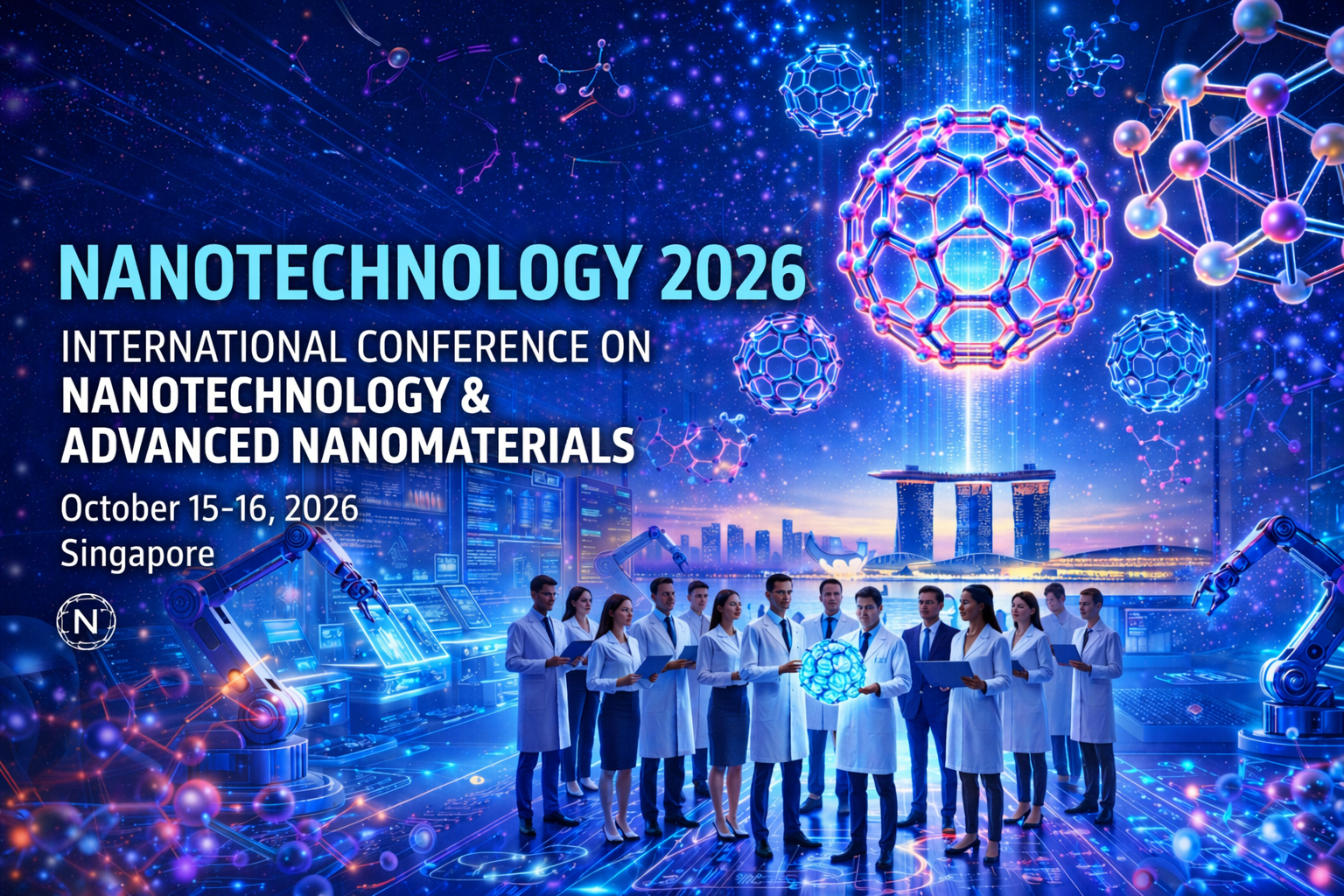
Nanotechnology 2026
Vartus Group warmly invites you to the International Conference on Nanotechnology & Nanoscience (Nanotechnology 2026) — a premier global platform uniting the brightest minds in nanotechnology, materials science, and applied research. Nanotechnology is a rapidly evolving interdisciplinary field of science and engineering that focuses on the design, manipulation, and application of materials and devices at the nanoscale, typically ranging from 1 to 100 nanometers. At this scale, materials exhibit unique physical, chemical, and biological properties that differ significantly from their bulk counterparts, enabling groundbreaking innovations across multiple domains. The foundation of nanotechnology lies in understanding and controlling matter at the atomic and molecular level. By engineering structures at such a minute scale, researchers are able to develop advanced materials with enhanced strength, lighter weight, improved chemical reactivity, and superior electrical or optical properties. These characteristics make nanotechnology a transformative force in modern science and industry. Nanotechnology plays a critical role in a wide range of applications, including medicine, electronics, energy, environmental science, and materials engineering. In the field of medicine, nanotechnology enables targeted drug delivery systems, early disease detection, and regenerative therapies. Nanoparticles and nanocarriers can be designed to deliver drugs directly to affected cells, minimizing side effects and improving treatment efficiency. In electronics, nanotechnology contributes to the development of smaller, faster, and more efficient devices. Nanoscale components are fundamental to modern computing and communication technologies, allowing for increased processing power and reduced energy consumption. Similarly, in the energy sector, nanotechnology is driving innovations in solar cells, batteries, and fuel cells, improving efficiency and sustainability. Environmental applications of nanotechnology include water purification, pollution control, and environmental monitoring. Nanomaterials can effectively remove contaminants from water and air, offering sustainable solutions to global environmental challenges. In materials science, nanotechnology enables the creation of advanced nanomaterials such as graphene, carbon nanotubes, and nanocomposites, which are widely used across industries.
Scientific Sessions
Sign Up for Updates
Scientific Committee Members

Raman Singh
Professor
Adison Wong Choon Kit
Professor
Vladimir Chigrinov
Professor Emeritus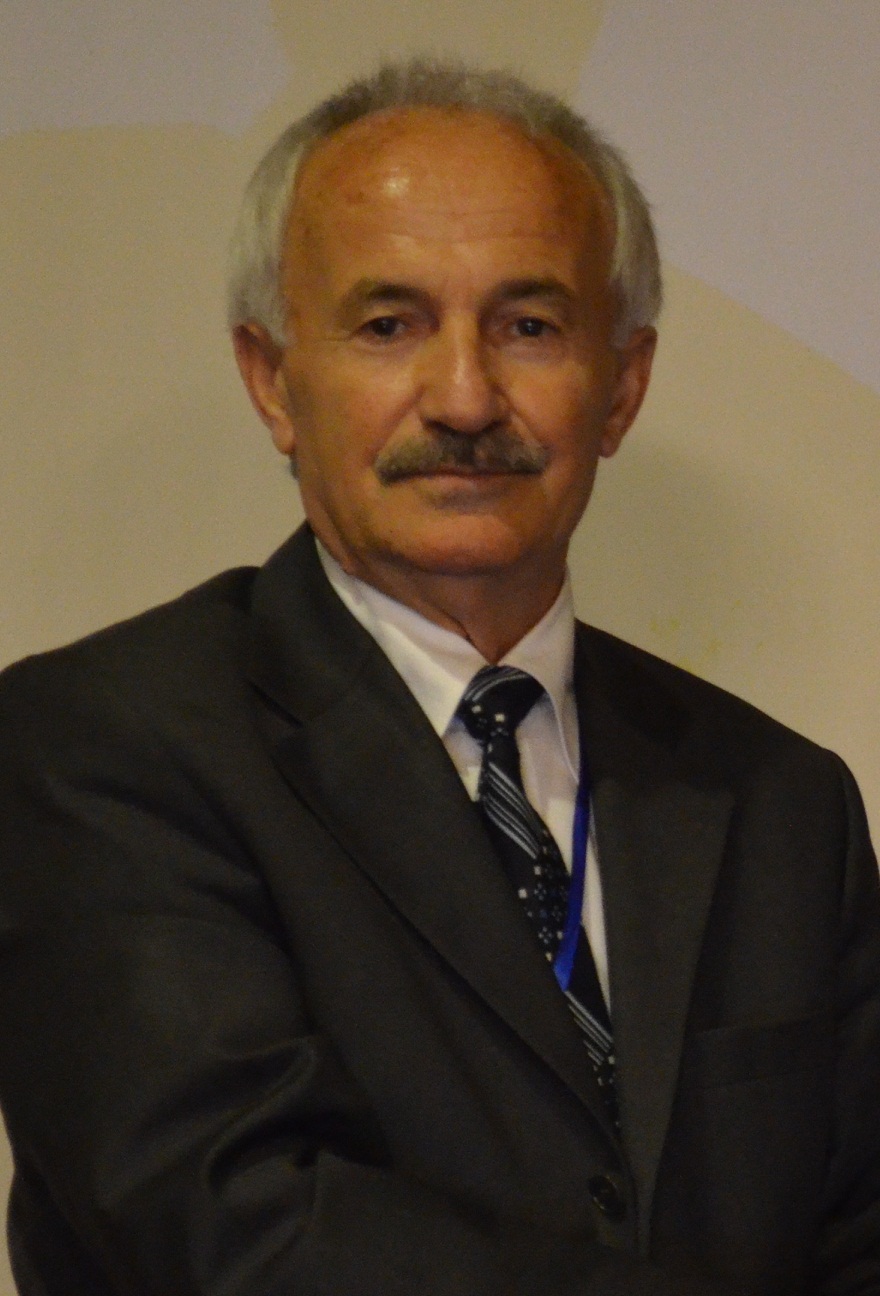
Prof. Dr. Osman Adiguzel
Prof. Dr. at Firat UniversityOur Speakers
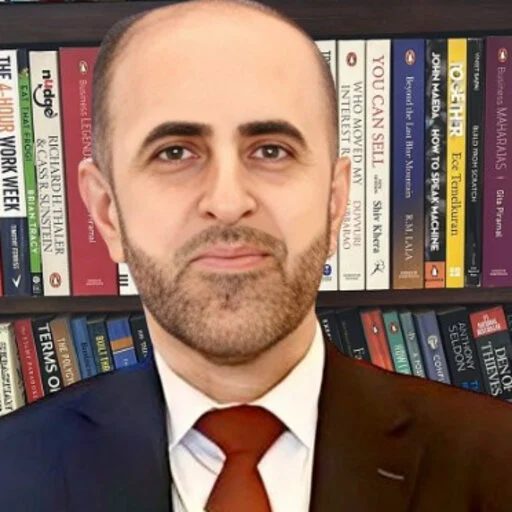
Azeez Abdullah Barzinjy
Professor
Farkhanda Afzal
Associate Professor
Prof. Andrey Belousov
Professor
Prof. S.V.A.R.Sastry
ProfessorConference Schedule
Social Media
Photo Gallery
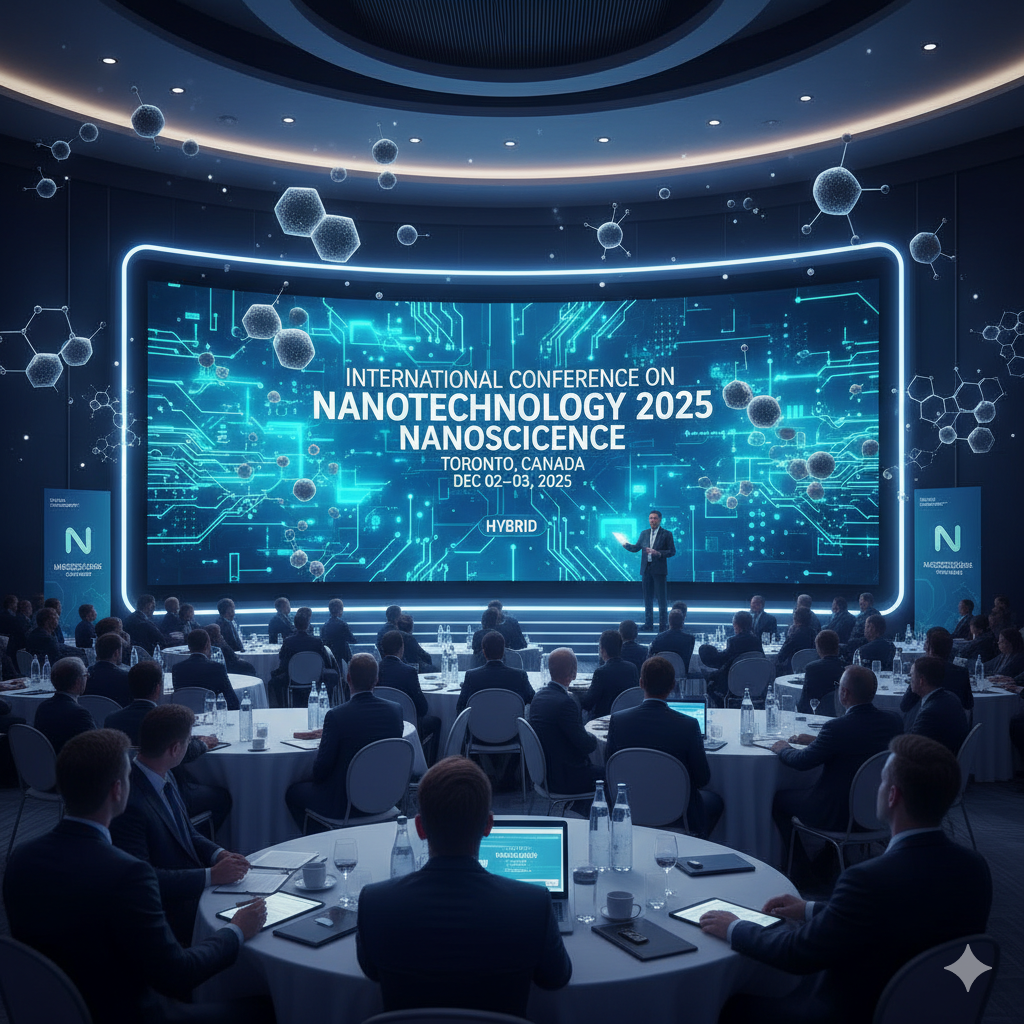


.png)
.png)
Media Partners



Watch Past Conference Reviews
Testimonials
"Nanotechnology 2025 truly highlighted the future of science. The hybrid participation allowed experts from all over the world to connect seamlessly."

"Excellent organization. Toronto was the perfect host city for this global scientific event."
"A great platform for young researchers to showcase innovative ideas and connect with pioneers in nanoscience. Looking forward!"